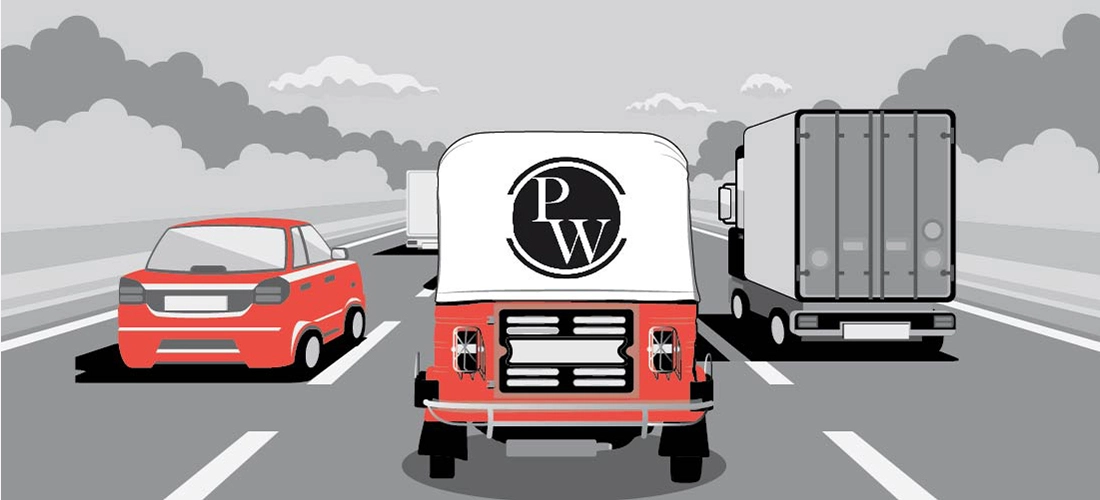
Transit Advertising
Media Type: E Rickshaw
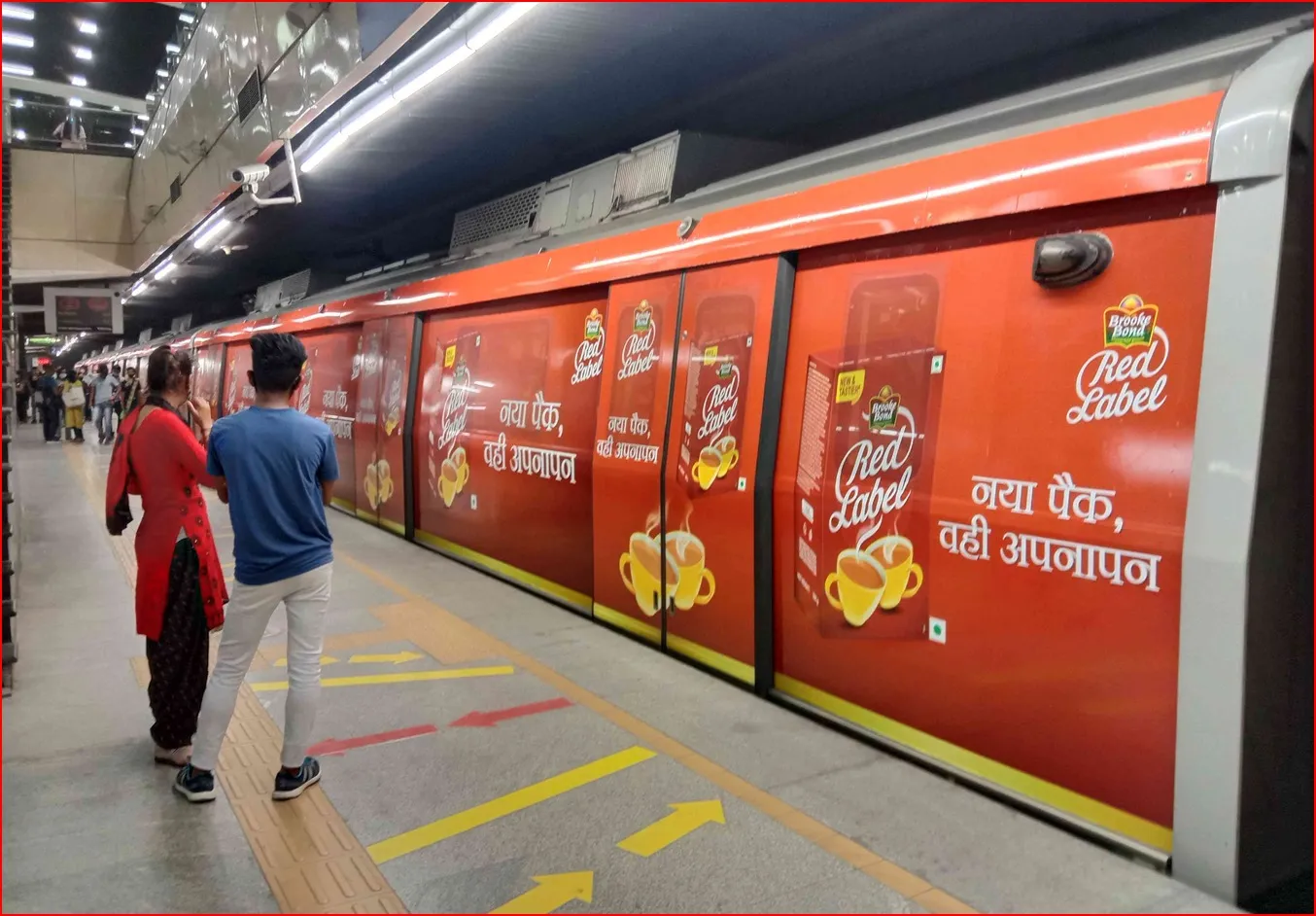
Media Type: Metro Train
Media Type: Tricycle
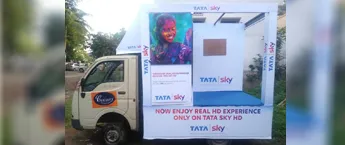
Media Type: Mobile Van
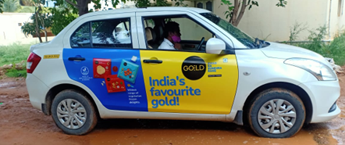
Media Type: Cab
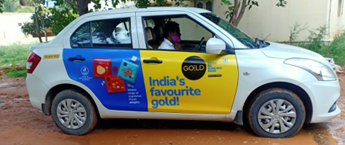
Media Type: Cab
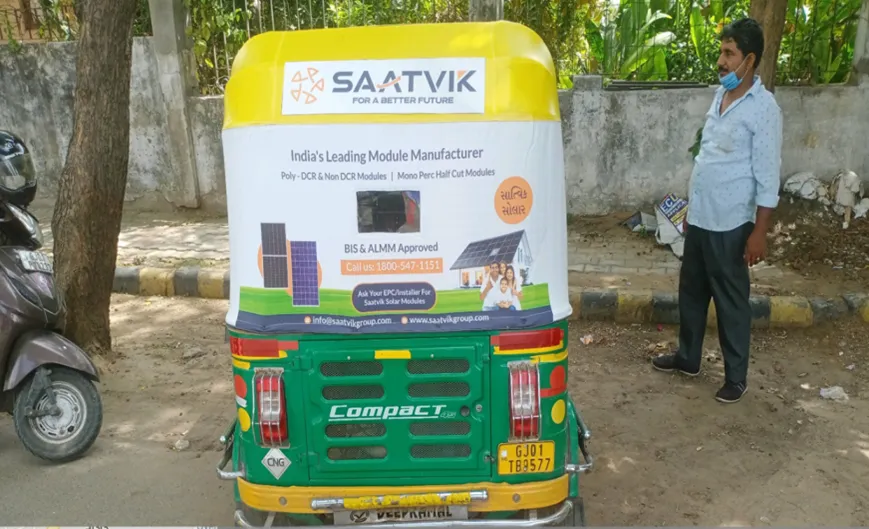
Media Type: Auto
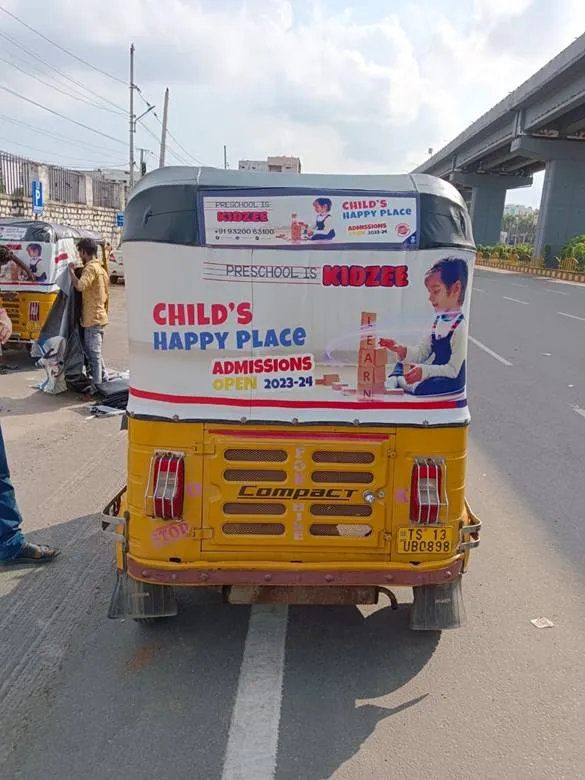
Media Type: Auto
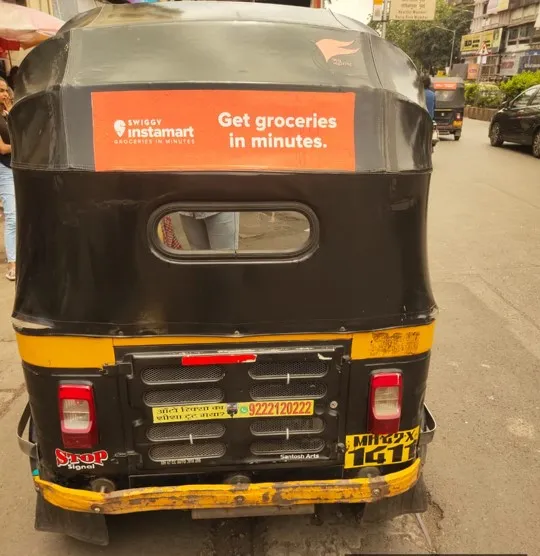
Media Type: Auto
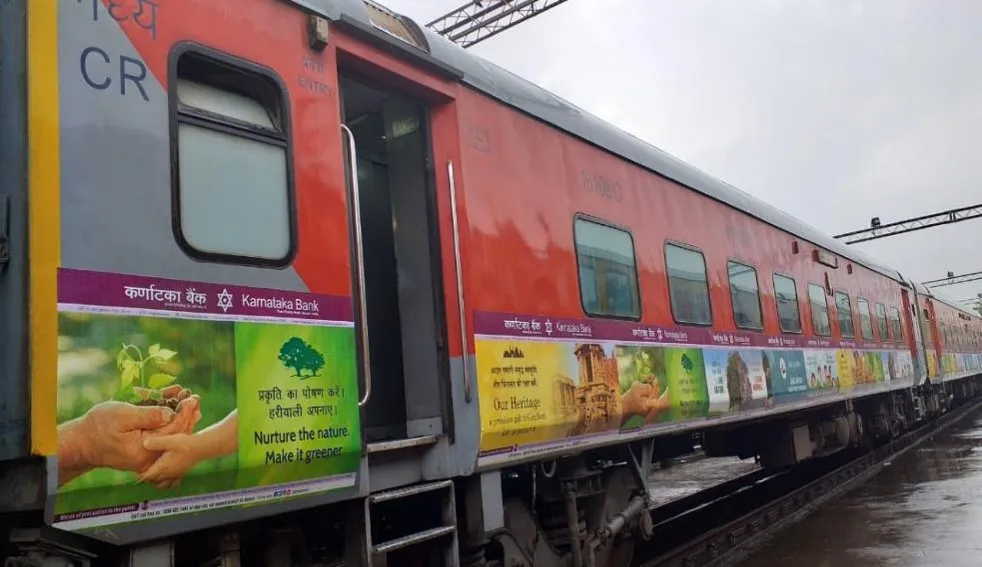
Media Type: Passanger Train
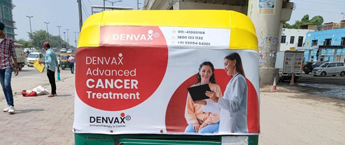
Media Type: Auto
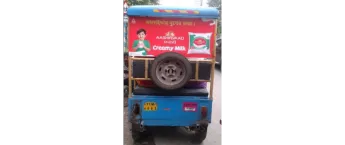
Media Type: E Rickshaw
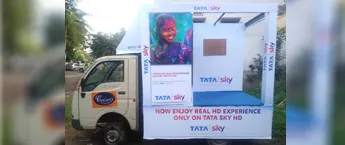
Mobile Van - Tata Ace - Ahmedabad
Media Type: Mobile Van
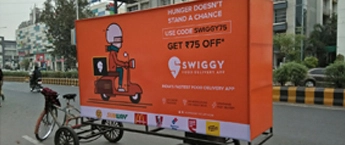
Media Type: Tricycle
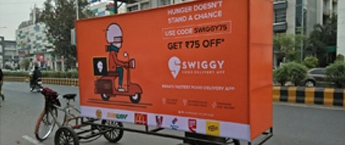
Media Type: Tricycle
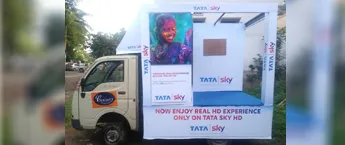
Mobile Van - Tata Ace - Aligarh
Media Type: Mobile Van
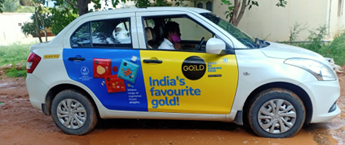
Media Type: Cab
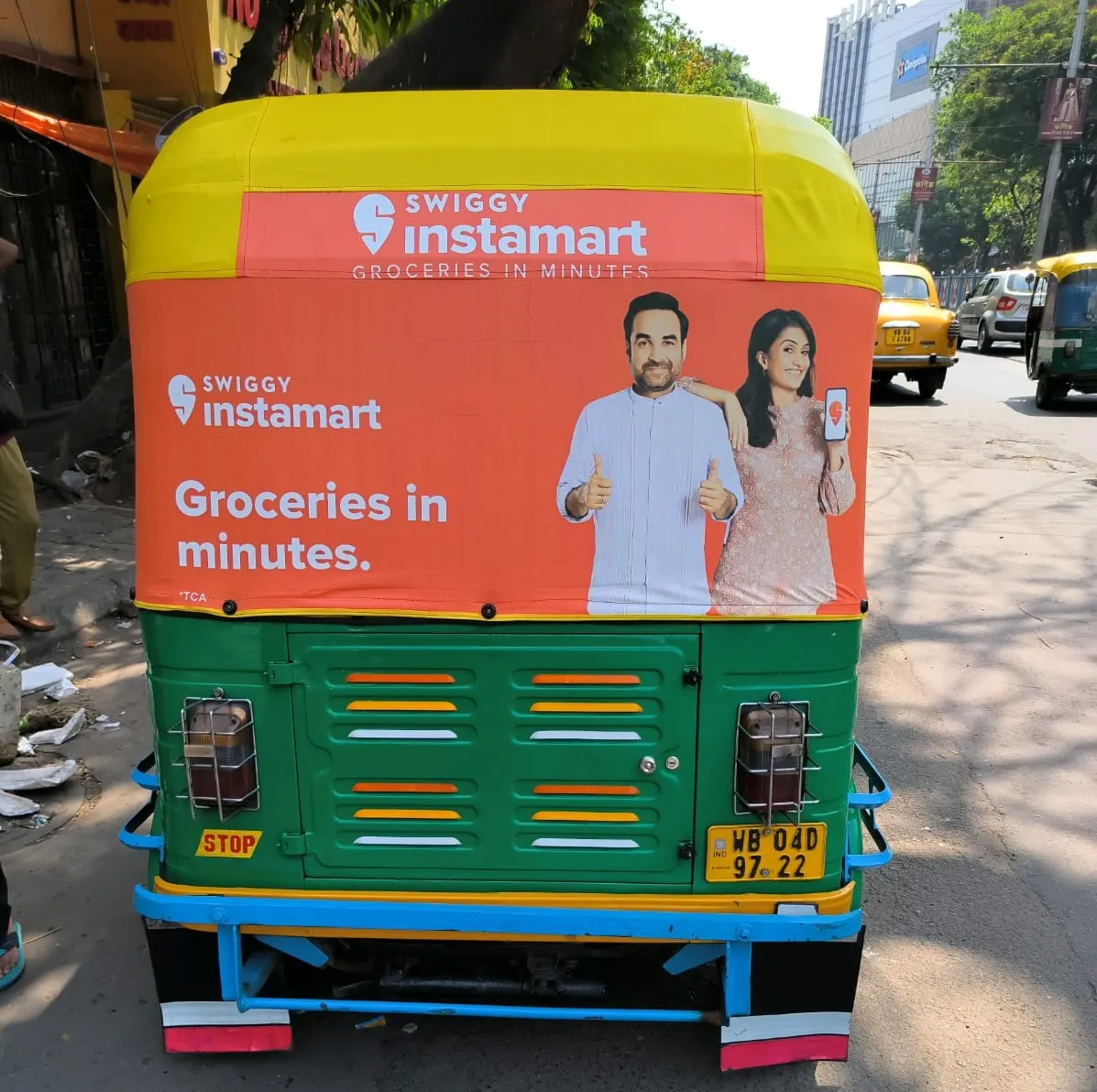
Media Type: Auto
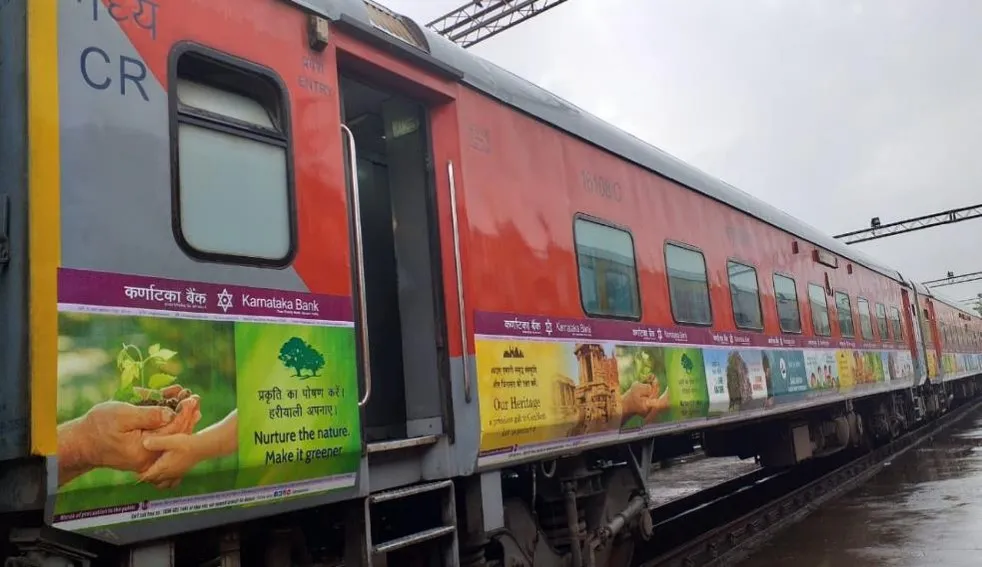
Lucknow - New Delhi Tejas Express
Media Type: Premium Train
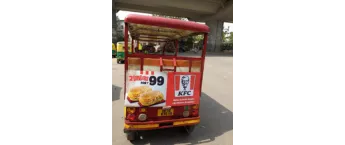
E Rickshaw Branding - Greater Noida
Media Type: E Rickshaw
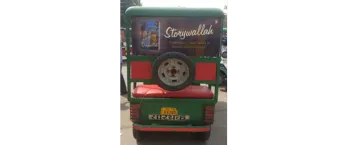
E Rickshaw Branding - Ghaziabad
Media Type: E Rickshaw
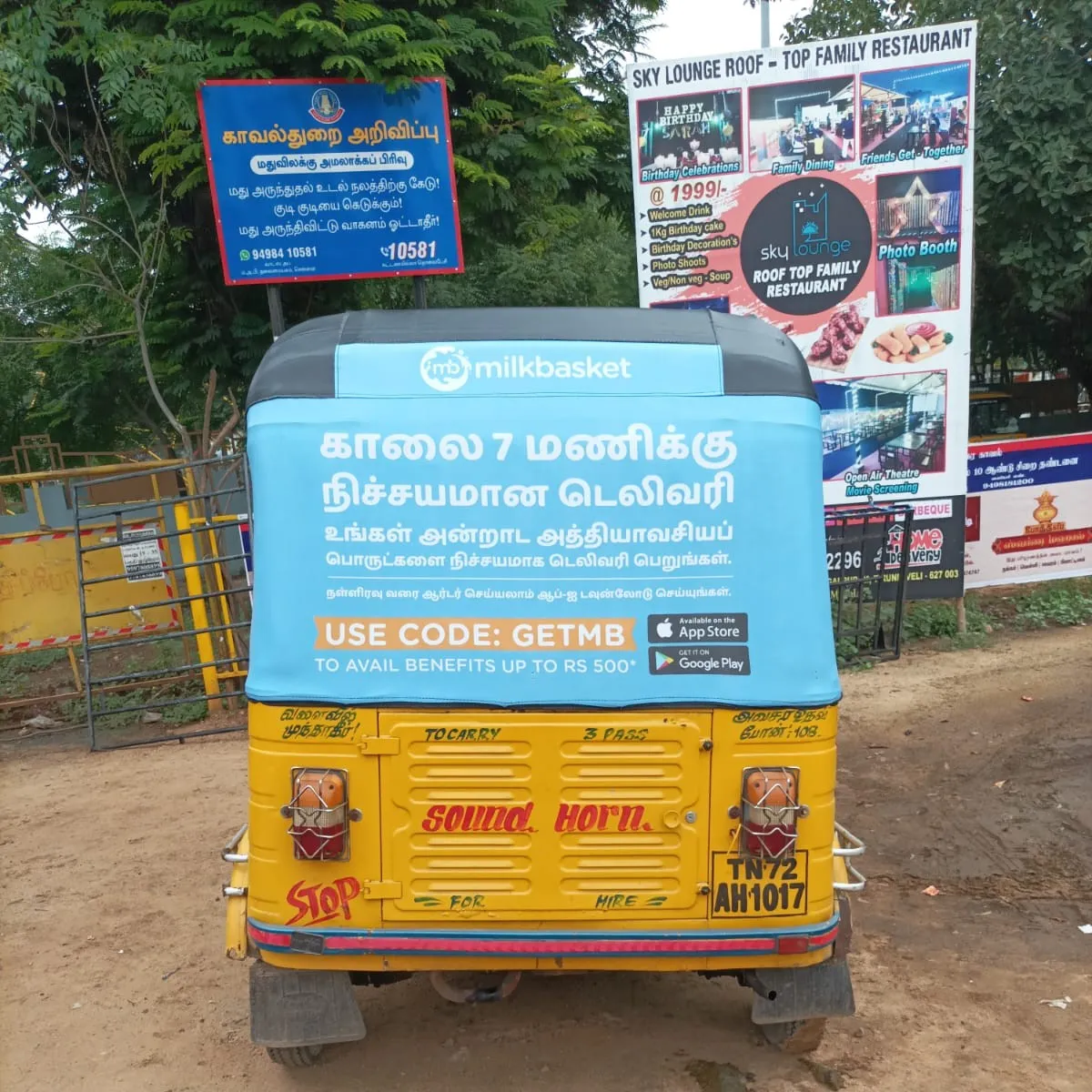
Media Type: Auto
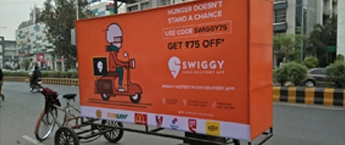
Media Type: Tricycle
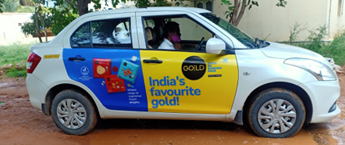
Media Type: Cab
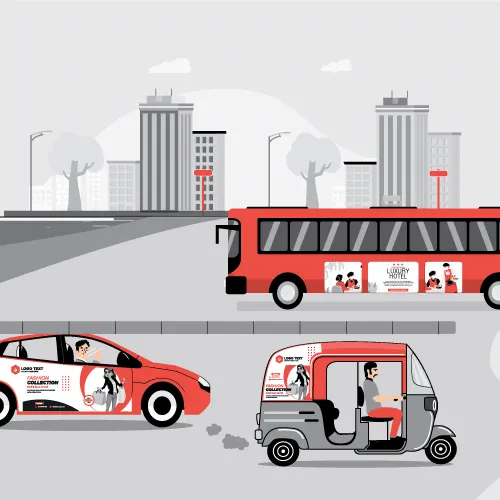
Transit Advertising: Because Your Brand Deserves to Go Places
Let us be honest. You have scrolled past hundreds of online ads today without remembering a single one, and the same is true for your customer. Now think about the last time you were stuck at a traffic signal and noticed a bold, colourful wrap on the bus next to you. You probably read it, maybe twice. That is transit advertising.
At Excellent Publicity, we have spent years placing brands on the roads, rails, and routes where real people actually spend their time. Not just impressions on a screen, but genuine, eyes-on-your-brand moments during your customer's daily commute. If you are thinking about making your brand impossible to miss, you are in the right place. Let us walk you through everything you need to know.
What Exactly Is Transit Advertising?
Transit advertising means placing your brand's message on or around the vehicles and locations that make up India's public transportation system, such as buses, trains, metros, autos, cabs, e-rickshaws, and mobile vans.
But here is the thing that makes it genuinely different from other media: your brand is right in front of your audience but is not able to create a lasting impression in the moment at the moment. They are just going about their day, heading to work, dropping kids off at school, running errands, and your ad is right there in their line of sight with no skip button. No scroll-past.
Think of it this way. If you were a new cloud kitchen starting in Pune, imagine your brand printed across 50 autos criss-crossing the busiest residential neighbourhoods of Kothrud and Aundh every single day. Your logo, your offer, your name, in front of thousands of potential customers who live, work, and order food right in those areas. That is the kind of ground-level visibility that transit advertising delivers, reaching people exactly where their daily life happens.
What Does Transit Advertising Actually Cost?
Transit advertising costs are not one-size-fits-all. It means you can find a format that genuinely fits your budget rather than overspending on reach you do not need or underspending on impact you cannot afford to miss.
Here is what shapes the pricing:
Where you advertise matters a lot.
A bus branding campaign in Mumbai or Delhi will naturally cost more than the same format in Surat or Bareilly. That is simply because more eyeballs in metro cities come at a premium. But here is the flip side: if your target audience lives in a Tier 2 city, you are actually getting a far better deal on reach.
The vehicle you choose changes everything.
A full bus wrap, where your brand covers the entire exterior of the bus, is a head-turner, but it costs more than a side panel or an interior ad. Similarly, advertising on a premium train like the Tejas Express costs differently from booking space on a passenger train. The Tejas, for instance, carries a more affluent, urban traveller, so if your brand is a fintech app or a premium lifestyle product, that audience might be worth every extra rupee.
The length of your campaign affects the per-month rate.
A 3-month campaign almost always works out cheaper per day than a 4-week burst. If you are building brand recall, which takes consistent exposure, committing to a longer run genuinely pays off.
Here is a rough starting point to help you plan:
- Bus advertising (full wraps) typically starts around ₹1.5 lakhs per month and can go up to ₹3 lakhs depending on the city and route.
- Partial wraps are more budget-friendly, usually falling between ₹70,000 and ₹1.5 lakhs per month.
- Interior bus ads, the ones passengers see from their seats, are quite affordable, starting around ₹25,000 per month.
- Cab advertising typically runs between ₹15,000 and ₹30,000 per month.
Now, these are starting figures. Our team at Excellent Publicity works with you to map out the best combination for your budget and goals, because sometimes, spending ₹40,000 on the right 15 autos in the right lanes is more valuable than spending ₹2 lakhs on a bus route that does not touch your target neighbourhood at all.
Why Does Transit Advertising Still Work So Well?
Every few years, someone declares that a "new" medium will replace the classics. But, still, buses, trains, and autos keep delivering results for brands across India for the following reasons:
People cannot opt out of their commute.
India sees over 34 million public transport trips every single weekday. These are not people who chose to open an app or tune into a channel. They are just commuting and, in doing so, become a captive audience for whatever ads appear in their environment. Bus advertising alone reaches over 48 million adults in two weeks. That is not a niche audience. That is a mass medium.
It is genuinely cost-effective for the reach it delivers.
Transit advertising offers brands a way to reach tens of thousands of people consistently, day after day, across the routes and neighbourhoods that matter most to them. When you break it down to cost-per-impression, the numbers are strong, and the impressions hold the weight your audience demands
It works for businesses of all sizes.
A neighbourhood bakery running e-rickshaw ads in its local area. A national brand wrapping metro trains in Delhi and Mumbai. A coaching institute covering buses near schools in Jaipur. Transit advertising scales to fit your ambition, whether you are just starting or expanding to new cities.
Where Can You Place Transit Ads?
One of the things that surprises most clients is just how many options transit advertising actually offers. Let us walk through them:
- Buses are the most classic format. A fully wrapped bus is impossible to miss. Imagine a regional grocery chain launching in Hyderabad. If they could plaster their brand across 30 buses running through Kukatpally, Miyapur, and Dilsukhnagar, they would have near-total coverage of their target localities within a month.
- Metro trains are perfect for brands targeting urban working professionals. The Delhi Metro, for instance, carries millions of educated, digitally active commuters every day. If you are launching a new fintech app or a premium co-working space, this is your crowd. Ads inside metro coaches, where passengers stand for 20-40 minutes, give your message a longer, more engaged moment than almost any other format.
- Cabs and app-based taxis bring your brand directly into the personal space of individual riders. It is a one-on-one moment. If your customer is sitting in the back of a cab for 20 minutes, they will notice what is on the headrest, the door panel, or the seat-back screen. Cab branding in cities like Bangalore, Ahmedabad, and Bhopal offers brands a surprisingly intimate channel.
- Autos are the workhorses of local advertising. They are everywhere, in bylanes, markets, residential areas, and places that bigger vehicles cannot reach. If you are a local business looking to dominate a specific area rather than a whole city, branding 50-100 autos in your target zone is one of the smartest investments you can make.
- E-rickshaws are the unsung heroes of transit advertising in Tier 2 cities and the NCR region. They are cheap to brand, they operate at low speeds, and they serve last-mile connectivity routes where your target customers live. For a real estate developer launching a township project in Greater Noida, e-rickshaw branding in feeder areas around metro stations would be a cost-effective, ideal choice.
- Passenger and premium trains like the Konark Express or the Tejas Express give brands access to travellers over long journeys. These are people who are relaxed, not rushing, and open to engaging with their surroundings. Interior branding in train coaches, banners above seats, headrest covers, and panel ads can hold a traveller's attention for hours.
- Mobile vans provide you with the following: the ability to control where your brand goes. A mobile van with your brand can drive to areas where your campaign needs visibility, attend events, park near high footfall locations, or tour new markets you are exploring. It is advertising with a steering wheel.
- Tricycles are popular for hyper-local campaigns in smaller cities and specific markets. They are slow, they weave through markets and neighbourhoods, and they carry your message at eye level. For a medical clinic or a grocery brand in a smaller town, tricycle branding covers ground that no hoarding ever can.
Indoor vs. Outdoor Transit Advertising
This is genuinely one of the most common conversations we have with clients, and the honest answer is: it depends on what you are trying to do.
Outdoor transit advertising, such as bus wraps, exterior train branding, and cab exteriors, is built for scale and awareness. Your brand is visible to everyone who sees the vehicle, including pedestrians, other commuters, people at bus stops, and shoppers on the street. The exposure is broad and hard to predict, which is both a strength and a limitation. It is ideal when your goal is to make your brand name known to as many people as possible.
Picture a new smartphone brand launching in India. They would want every possible eyeball. Full bus wraps across Delhi, Mumbai, and Bengaluru would make sure their brand is literally part of the city's landscape within weeks.
Indoor transit advertising, such as ads in buses, train coaches, and metro cars, works differently. Here, the audience is already sitting still, often for 20 to 45 minutes. They have seen everything around them, and they are quite bored. Your ad has their attention in a way that outdoor placements rarely do. This is where you can afford to say more: a QR code that leads to a demo, a detailed offer, or a story about your brand's values.
What does Excellent Publicity Suggest?
If your budget allows it, combine both. Use outdoor formats to build recognition, and your brand becomes something people see and recognise. Then use indoor formats to deepen that connection, and your brand becomes something people understand and trust. It will not just be advertising, but it will become a conversation that starts outside and continues inside.
When Should You Choose Transit Advertising?
Transit advertising works exceptionally well in four specific situations:
When you are building brand awareness from scratch.
If you are new to a city or launching a new product, you need people to know you exist before they can consider buying from you. Transit advertising handles this beautifully.
Imagine a D2C skincare brand launching in Ahmedabad. If they wrapped 20 AMTS buses with their product details and creatives for 2 months, they would reach a large share of the city's population and turn a completely unknown brand into one that feels familiar and credible.
When you are promoting a local event.
Transit advertising reaches people who are out and about, mobile, active, and already in the city. If you are running a 3-day sale or a grand opening, transit ads in the surrounding area create exactly the right buzz at the right time.
A festive sale at a furniture store on SG Highway, for example, could use auto branding in nearby residential areas for 10 days leading up to the event. The timing and location would be the exact advertising strategy your brand needs.
When you want to drive foot traffic to a physical location.
Transit advertising has a unique advantage here. People who commute near your store are your natural customers.
If you are a gym near a busy metro station, advertising inside that metro line reaches exactly the people who pass your front door every day. Put a good offer in that ad, and some of those commuters will pay attention to your ad.
When you are launching something and need the city to know it.
There is something about seeing your brand on the streets, on buses, on autos, at stations, that creates a sense of scale and legitimacy. It signals to potential customers, investors, partners, and employees. It is the kind of visibility that puts your brand firmly in front of your audience.
Why Excellent Publicity for Your Transit Campaign?
The truth is, transit advertising in India is complex. Rates vary by city, operator, season, and vehicle type. Permissions and approvals differ across states. Creative execution needs to work at scale while still looking sharp on a dusty road or a wet monsoon morning. But a lot can go wrong between the idea and the execution.
What we bring to the table is not just a list of contacts and rate cards. But it is perspective: knowing which bus routes in Chennai have the heaviest footfall during the morning hours, which metro stations in Delhi are walked through by the right demographic for your brand, and which e-rickshaw zones in Noida will give a real estate brand the best visibility for its project launch.
We have done this for coaching institutes, wellness brands, FMCG companies, tech startups, regional players trying to go national, and national brands trying to reach the local. Each campaign has taught us something, and that institutional knowledge is what you get when you work with us.
We also help with creatives, because designing ads for a moving vehicle comes with its own unique set of rules and requirements The message needs to land in 3 seconds, and we know how to make that happen.
If you are ready to put your brand in front of your customers, we would love to be the team that takes you there.
Ready to Make Your Brand Part of the City's Daily Routine?
Transit advertising is not about shouting the loudest. But it is about showing up consistently, in the right places, at the right times, in front of the right people, until your brand becomes a familiar face in your customer's daily life. Familiar faces are the ones people trust when it is time to make a decision.
Let us build a campaign that does exactly this
Reach out to our media experts at Excellent Publicity and let us map out a transit advertising strategy that fits your brand, your city, and your goals.
Schedule a Meeting with Our Transit Expert
Every major brand you recognise today, the ones that feel like a natural part of your city, built that presence by showing up consistently in the spaces where people actually live and move. They showed up in the physical world consistently until they felt like they belonged. Transit advertising is one of the most powerful, most underrated ways to do exactly this.
You do not need a crore-rupee budget to start. You need the right strategy, the right medium, and the right partner. That is what Excellent Publicity is here for!
Whether you are a local business taking your first step into advertising, or a growing brand looking to dominate a new city, transit advertising offers you real presence, in the real world, among real people who are already out there and moving.
Come, let us get your brand moving, too.
Case Studies
Phonewale X iphone Metro Advertising

Flipkart x Vivo Metro Train Advertising

Godrej Capital Mobile Van Advertising

Jindal India Bus Advertising

Orra Mobile Van Advertising

FAQs on Transit Advertising
The ideal duration depends on your goals. For brand awareness, aim for 4-6 weeks to ensure commuters see your ad consistently. Promotional events can be shorter, at 2-4 weeks, to create a pre-event buzz. New product launches benefit from 3-5 weeks to build anticipation and sustain interest. Remember, consistency is key, so extending your campaign can further solidify brand recognition.
Traffic congestion, especially in big cities, can limit the visibility of outdoor ads on slow-moving vehicles. Commute times can also vary, affecting the duration viewers have to engage with your ad. Finally, the condition and layout of stations and vehicles can impact ad placement options. Working with an experienced agency can help you navigate these challenges.
To gauge your campaign's effectiveness, track relevant metrics. Here are some key ones:
Impressions: The total number of times your ad is seen.
Reach: The number of unique viewers who saw your ad.
Engagement: Clicks on a website link displayed in the ad (if applicable) or social media mentions using a campaign hashtag.
For brand awareness, consider pre- and post-campaign surveys to measure recognition. If driving foot traffic to a store is your goal, track visitor numbers during the campaign period. Monitoring these metrics allows you to assess the impact and optimize your strategy for future campaigns.
Advertisement on bus is a part of transit advertisement. Transit advertising costs and that may vary from company to company. Cost of advertising on a bus might vary Between 8000 to 75000 depending on the city, model of bus and medium of branding as well.
Yes, the Advertising Standards Council of India (ASCI) regulates ad content to ensure decency and truthfulness. Avoid offensive or misleading content, adhere to decency standards regarding nudity or suggestive imagery, and ensure accuracy in claims about products or services. It's always advisable to consult your transit advertising agency to ensure your ad complies with ASCI regulations.
Choosing the right routes is crucial. Consider your target audience and choose routes they frequent. If aiming for brand awareness, prioritize high-traffic routes. For targeted messaging, select routes near relevant locations (e.g., schools for education-related ads). Analyze competitor placements to avoid oversaturating specific routes. Budget also plays a role - different routes have varying costs. A qualified transit advertising agency can provide data and insights to help you select the optimal routes for your campaign goals.
Transit advertising, a type of OOH - Out Of Home advertising which involves placing ads on or inside public transportation modes and areas. This can include ads on buses, trains, taxis, as well as inside subway cars, bus stations, and near train or bus platforms. Transit advertisements offer diverse opportunities to reach a wide audience while they commute, ensuring high visibility and exposure for the advertisements. From bus sides to subway interiors, transit advertising maximizes brand visibility in public transportation settings.
For the best transit advertising costs, Excellent Publicity is the best advertising agency that you can reach out to. Excellent Publicity provide the best advertising services.
Transit advertising costs differ on the basis of various sizes. It also depends on medium or available branding space in particular Branding Media.
Transit advertising encompasses various public transportation options and their designated areas. This includes buses, trains, metros, bus stops, terminals, railway stations, taxis, vans, autos, and even cycle stands. Essentially, it targets commuters across diverse public transportation networks.
Filters
Sort
CASE STUDIES
Check out our Transit Media Case Studies to see how we've scored big for our clients!