
Choosing the Right Locations for Outdoor Advertising: Maximizing Visibility and Reach



Table Of Content
Choosing the Right Locations for Outdoor Advertising: Maximizing Visibility and ReachIntroduction
Outdoor advertising has been the oldest and most effective form of advertising ever since its inception. It is a great form of advertising to connect with an existing audience while attracting new customers. The most successful and best outdoor campaigns consist of creative ads and, most importantly, strategic locations. Appropriate locations contribute to the campaign's success, leading to the generation of leads and sales.
Types of Outdoor Advertising Locations
Highways and Major Roads
The major roads and highways continue to be the best locations in outdoor advertisement because of the large number of people using them as well as the increased exposure time. Drivers tend to be exposed to the same billboard day in day out and the message becomes imprinted in their minds. These places are ideal in creating brand awareness and creating awareness in mass. This is because with long distances of continuous travel, the audience has plenty of time to digest the creative ensuring the advertising campaign is seen and heard as much as possible.
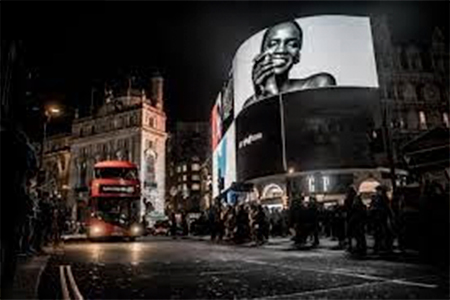
Urban Centers and Downtown Areas
The cities and the center areas provide unparalleled opportunities with regard to outdoor advertising. These regions are full of businessmen, customers and tourists, and they will be exposed to a wide array of audiences at all times. By putting outdoor advertisements in this area, the brands remain at the top of the mind in instances of making daily decisions that may be dining or shopping. They are the most suitable places to create brand awareness and reach a large demographic since the amount of foot traffic and vehicles is high and will reach a vast number of individuals. The location in downtown areas that has to be placed strategically can bring out both visibility and high engagement.
Transit Locations (Bus Stops, Train Stations)
Places of transit such as bus stops, metro stations, and train terminals are good to the advertisers through the captive audience. Commuters usually take several minutes of waiting or commuting, which leaves enough time to have ad messaging resonating. These are also areas where repeated exposure would be achieved because people would have the same routes they used day by day. Their capacity to cover huge, heterogeneous people in a relatively economical manner makes transit spots very effective in establishing brand awareness and triggering action in densely populated areas.
Shopping Centers and Malls
Shopping malls and centers give the brands a special chance to control and impact the purchasing choices in real-time. Advertisements that are put outside the buildings or in the parking lots or in the complex capture buyers who are already in purchase mode. The places are ideal in marketing goods or services since they have a large population of people, including families and young professionals. The reason why adverts are able to target consumers at the point of purchase is because they are able to cause a lot of brand recall and have a direct effects on sales conversions.
Event Venues and Stadiums
Thematic attractions like stadiums and event venues are high impact outdoor advertisement venues which ensure focus. It can be a sports game, concert, or exhibition, these areas attract huge masses of people, which is an ideal place to promote the brand. These placements will be not only viewed by those who are present in person but in many cases will have more far-reaching coverage in media and social posts. These venues are very efficient in campaigns that will have high recall because of the excitement and energy involved in this type of venue.
Why is location important for Outdoor Advertising?
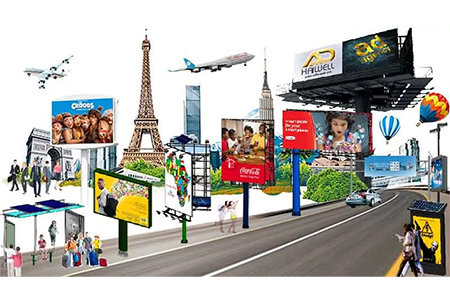
The success of outdoor advertisement is based on location. Even if the most creative or powerful ad can be, its success would be determined by its location. The places are strategic hence the message will be sent to the right people at the right time. Repeat impressions in high-traffic areas strengthen the brand memory but being near businesses or the decision-making places can have a direct impact on consumers. Simply put, the selection of the appropriate location will make the difference between the outdoor advertising being ranked as visible and the one that can be tracked and evaluated in terms of engagement, lead generation, and sales increase.

Factors to consider when choosing Outdoor Advertising Locations
Ensure Visibility
One of the most important things in outdoor advertising is the visibility. Advertisements ought to be positioned where they do not cause distractions as well as obstructions. The presence of straight lines of sight helps to pass the creative message with ease to the passers-by. An advertisement which is merged with the rest of the background becomes ineffective, whereas one which is placed strategically in an uncrowded area of good lighting takes center stage and catches the eye. Focusing on visibility means all investment on adverts will be translated into the greatest exposure of the brands.
Outdoor ads should be front-facing
The orientation of outdoor advertisements affects the engagement of the audience greatly. Front placements, those that are directly parallel to the traffic or pedestrian traffic, mean that the message attains attention without the need to work hard. Displayed at a side angle or not aligned, displays are not easily noticed, and thus, their usefulness is diminished. Placing advertisements directly in the line of sight, brands make the use of impression and visibility as much as possible. This in-you-face strategy simplifies content processing, which results in a better brand recollection and an excellent advertisement potential.
Outdoor ads should be placed at a readable height and distance
Outdoor reading is directly influenced by height of placing the ad and distance. The ads that are either too high or too low are usually ignored and those at eye level tend to attract attention by default. Equally, the messages should be visible at a decent distance to allow the viewers to see it without straining. The combination of these elements would mean that the creative design, brand message, and call-to-action would be readily comprehended which would make the overall outdoor advertising campaign the most effective.
Determine your target audience
Imagining your target audience is important when identifying the place of outdoor advertisement. Advertisements must be placed in areas that are inhabited by your target customers. The ability to match the placement of ads to the behavior of the audience will help a brand to make sure that its message will be received by the appropriate people at the appropriate time. This strategy lowers the number of wasted impressions and enhances campaign effectiveness with resultant high engagement and better ROI. In simple terms, the correct target market in the correct location is equal to a successful advertising.
Traffic count of location
The number of traffic is an important variable in the assessment of outdoor advertisement sites. The locations with the heavy traffic are naturally more exposed and therefore the message is frequently viewed by a vast amount of individuals. The number of both vehicle and pedestrian traffic is used to identify the number of people who can get access to a campaign. An advert placed in such spots does not only boost the visibility but the chances of engagement and recall are also high. By picking up high-traffic sites, it is guaranteed that all the advertising dollars are spent to give the highest possible impacts and quantifiable outcomes.
Proximity to your place of business
Directly affecting consumer choices, placing outdoor ads in the areas near your business location can impact decisions. Potential customers get a perception of convenience and immediacy when they watch an ad in close proximity. This distance can usually become a footfall causing people to visit your store or office immediately after they see the advertisement. It also strengthens brand presence among community in the locality, and familiarity and trust are created. The proximity of advertisements available to businesses provides good and quantifiable benefits to business ventures that aim to turn the awareness into action.

Tools and Techniques for Location Analysis
Using Geographic Information Systems (GIS)
Geographic Information Systems (GIS) are effective tools for analyzing outdoor advertisement sites. They are useful in terms of population density, traffic, and movement of consumers within and across regions. Through mapping, advertisers are able to locate high potential areas to have maximum visibility and engagement. GIS also enables making decisions based on data, minimizing the guesswork in site selection. This guarantees that outdoor advertisements are placed strategically in addition to providing better returns because they attract the right audience to the right place.
Leveraging Traffic and Demographic Data
Traffic and demographic information is important to the success of outdoor advertisement. Traffic numbers indicate how many people can be impressed by an advertisement, whereas demographics present a picture of the most probable users of the message. All these insights enable advertisers to reach out to the right people through effective targeting of the audience so that campaigns become effective. When such data has been put together, it allows a brand to achieve the highest level of reach, enhance engagement, and make informed decisions regarding the locations to place outdoor advertisements.
Conducting On-Site Surveys and Audits
On-site surveys and audits is one of the surest means of determining the outdoor advertisement locations. Advertisers are able to evaluate visibility, traffic and possible challenges by visiting the site physically. Such practical method also reveals actual realities on the ground, like lighting or competing advertisements, which can not be reflected in data reports. Audits will make sure that campaigns are held in high impact but in practicable areas. This approach fills the gap between the data-based analysis and realities on the ground, which guarantees more successful advertising products.

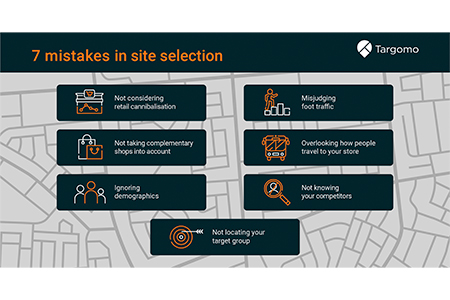
Common Mistakes to Avoid When Selecting Locations
Overlooking Target Audience Insights
Lack of consideration of the target audience insights may significantly decrease the efficiency of outdoor advertising. Placing advertisements in the places where your audience does not travel much will result in wasting of impressions and reduced returns. Knowing the geographical location of your ideal customers, where they work, and spend time would be important in ensuring that you get maximum engagement. By adapting locations to their habits, you are guaranteed of a meaningful touch to your message. The absence of this unity may lead to the fact that the most innovative campaigns may be disregarded, which is why it is essential to perform a study of the audience in each placement.
Ignoring Local Regulations and Permits
The inability to take local regulations and permits into account may discord the outdoor advertising campaigns. Some areas have very rigid regulations regarding billboard sizes, location and content, and failure to comply may attract fines or prohibition. Adherence will make the ads visible without legal issues, and this will protect investments and brand image. Advertisers can save the waste of time and money making careless decisions by reading and analyzing municipal requirements before deciding the location of their outdoor advertisement.
Choosing Locations with Low Visibility
All this is compromised by the choice of locations, which are not visible. Advertisements placed behind the building, trees or rival images do not attract the attention of the audience, however creative they may be. Lack of visibility amounts to squandered finances and lost opportunities. The consideration given to clear sightlines, appropriate height and unhindered positioning is paramount in making sure that ads produce the desired effect. Outdoor advertising is all about visibility, and neglecting it is among the most frequent and, at the same time, preventable errors.
Conclusion
Selecting the appropriate places to carry out outdoor advertising is a combination of strategy, statistics and invention. Good message is only effective when it is located in a place where it is visible, recalled and taken. Highways and downtown centers to malls and stadiums provide all different locations to reach audiences with different opportunities. Advertisers are able to optimize on reach and engagement by taking into account visibility, the number of traffic and how the audience behaves. Finally, place can convert outdoor advertising into brand experiences that have some meaning.
Frequently Asked Questions (FAQs)
Increased foot traffic converts to more ad impressions and engagement as more individuals continue to see the message over and over again strengthening brand memory and enhancing the likelihood of persuading a purchase.
Unobstructed view and clear sightlines enhance the greatest impact of the ad as the audience will easily notice and process the message, which will result in greater recall and greater engagement with the brand.
To determine the high-traffic places, you can examine the traffic information, conduct a survey field research, and utilize local information to make sure that the advertisements are located in the areas where they will be most visible.
Yes, by assessing both the traffic on the road and foot traffic, you will be covering more people with your campaign, so you can combine mass exposure with more chances to communicate with the individuals more closely and in greater detail.
The target group can help you determine the place to place your ads as it demonstrates where your audience stays, works and spends their time therefore advertisements would be positioned in areas where they would most likely see them and be the most effective.