



Color is far more than an aesthetic element. It is a powerful psychological tool that dictates feelings and influences consumers' behavior. Even in advertising, the clever use of color can dramatically alter how a brand is perceived and whether it is relevant enough to strike the right note with the target audience. Let's analyze how color psychology has a significant place in advertising. In this blog, we will examine how the right colors can influence purchasing decisions and shape a brand's identity.
Understanding color psychology

Color psychology refers to how different colors can cause certain emotional responses and ways they can influence human behavior. Colors are said to calm or energize, thus making them very important in advertising. For example, red is passion and urgency, while blue elicits feelings of trust and calmness. A key element that advertisers should consider for them to connect with their audience. The right color can evoke the right mood in customers and persuade them to either buy or even interact with the content. It is for this reason that colors are very significant in the design of an effective marketing message.
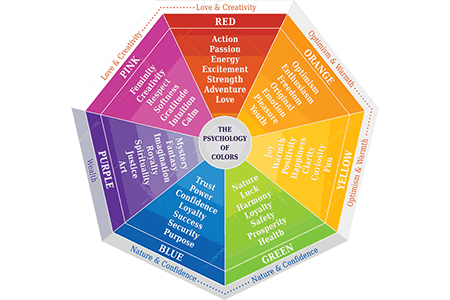
The Impact of color on consumer perception and brand identity
Color is at the heart of developing consumer perception and defining a brand. They provide visual signals through which a brand communicates its values, personality, and message. Think of the iconic red that says energy and excitement about Coca-Cola or green that speaks to sustainability and serenity for Starbucks. The right color palette builds trust, captures attention, and distinguishes a brand from others. In contrast, a poor choice of color can lead to the opposite: confusion and repulsion by the potential consumer. In advertising, colors are aligned with the mission of your brand to leave a lasting impression and meaning.

Choosing the right colors for your target audience
Selecting the right colors requires an understanding of the psychology and preferences of your target audience. Demographics respond to colors differently due to factors such as culture, age, and gender. For instance, many millennials will be drawn to bright colors and vibrant tones, which symbolize innovation, while older consumers associate more muted tones with trust and stability. Now that you know that, the importance of pain in creating an ad campaign would be to go through great pain using color ideas that evoke emotional triggers in your audience. Here, you can establish better contacts and lead to desired results, be it engagement or more sales.

How brands use color psychology to drive sales
Successful brands find increased sales when color psychology is used in advertisements. McDonald's uses yellow and red to rush people into deciding quickly, but Apple does just the opposite minimalist feel through white and silver, giving people a feeling of luxury and elegance. These colors grab the eye, but they also influence purchasing behavior by triggering a certain emotion. For example, Amazon and Target use blue to establish trust and red to energize. Brands can strategically use color to boost conversions, build loyalty, and create a memorable presence in the market by understanding how colors influence consumer behavior.

Conclusion
In conclusion, color psychology is a powerful tool in advertising, and for any advertising agency, it plays a crucial role in shaping emotions, influencing perceptions, and driving consumer behavior. By understanding how colors impact audience responses, an advertising agency can make strategic choices to strengthen brand identity and foster deeper connections with consumers, ultimately leading to increased sales and long-term brand loyalty.
Related Posts

The Importance of Brand Positioning in Advertising: Standing Out in a Crowded Market
The importance of brand positioning has become increasingly crucial in order to stand out in a crowded market. It is the unique selling point that builds the identity of a brand, establishing connections with the audience.

What is the Importance of Advertisement? Exploring the Top Benefits?
Advertising in the fast-changing world of business today is no more than a mode of promotion. It is an important, vibrant, and lifeline means to bridge the brands with their end consumers. The rapidly changing technology landscape has brought new opportunities and challenges to this traditional art of pitching products in the market.

What are importance of advertisement?
Advertising in the fast-changing world of business today is no more than a mode of promotion. It is an important, vibrant, and lifeline means to bridge the brands with their end consumers. The rapidly changing technology landscape has brought new opportunities and challenges to this traditional art of pitching products in the market. New avenues in advertising have emerged, be it socially generated and forwarded campaign messages or bright billboards capturing the attention of a passerby.

Color vs. Black-and-White Newspaper Ads: Which One Works Better?
Advertising in newspapers has been a reliable marketing tool for decades. Even in today’s digital era, newspaper advertising holds its ground by reaching readers in a tangible, trusted format. One of the most critical choices advertisers face is deciding between a color newspaper ad or a black and white newspaper ad. While both formats have their unique appeal, they work best under different circumstances, depending on the ad's purpose, audience, and budget.

The Importance of Target Audience in Advertising
The essence of success in this fast-paced world of digitized communication lies solely in one fact: knowing one's audience. Without the latter, even the most creative ideas may flop on their faces. The reason this practice is so essential is that it is not just about reaching people at all; the bottom line is that one needs to touch the right people at the right time with the right message. Be it engagement, the return on investment, or just the meaningful relationship with customers, the art of audience targeting has to be mastered. In this blog, we shall explore why targeting matters and how to craft strategies that drive real results.