
Types of advertisement

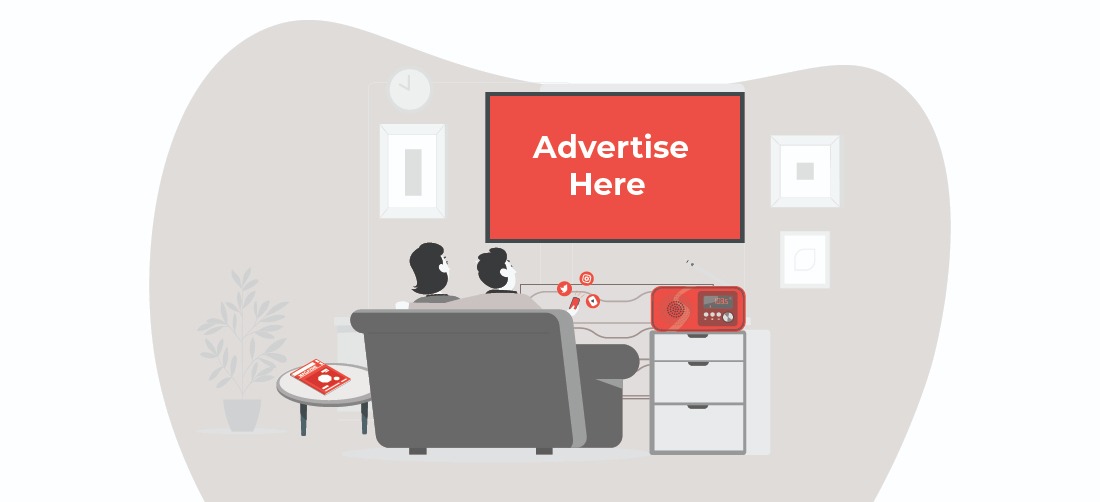

Advertising is how a business gets a product, service, or idea in front of the people most likely to buy it. Every advertising format falls into one of three buckets: traditional (print, TV, radio, outdoor), digital (social, search, display, video), or emerging (influencer, programmatic, AI-driven). The right mix depends on your audience, budget, and goals, not on picking a single "best" channel.
There are more than a dozen distinct types of advertising in active use today, and most successful campaigns blend two or three of them rather than relying on one. Below, we break down all 15, with real use cases and guidance on when each one actually works.
Traditional Advertising Methods
Traditional advertising has been around for over a century, and despite the rise of digital, it hasn't gone anywhere. It still works especially well for local reach, trust-building, and campaigns aimed at older or offline audiences.
1. Print Advertising
Print covers newspapers, magazines, brochures, directories, and flyers. Newspapers are still strong for local news and classifieds, while magazine advertising works better for niche, high-visual campaigns because full-page formats allow richer colour and production quality than newsprint. A business selling premium skincare, for instance, gets more mileage from a lifestyle magazine spread than from a newspaper column.
2. Broadcast Advertising: Television and Radio
Broadcast advertising reaches audiences through sound and visuals.
- Television advertising offers the widest reach and lets a brand combine story, sound, and visuals in one 20 to 60 second spot. It costs more to produce and air, and pricing swings hard depending on the show, time slot, and event (a spot during a cricket final costs far more than an off-peak slot). Despite ad-skipping, repetition still builds brand recall.
- Radio advertising costs less than TV and works well for local businesses and specific dayparts, such as morning drive-time slots when commuters are listening.
3. Outdoor (Out-of-Home) Advertising
Outdoor advertising places a message in public spaces where people already spend time.
- Billboards are large-format, high-visibility placements built for a broad audience.
- Transit advertising covers buses, trains, autos, and metro stations, giving brands a captive local audience.
- Mall advertising and airport advertising target consumers at the exact moment they're in a buying or travelling mindset, which is why they carry a premium.
4. Direct Mail Advertising
Direct mail sends physical material like brochures, catalogues, or postcards to a targeted mailing list. A newly opened salon, for example, can mail a grand-opening flyer with a discount coupon to residents within a five-kilometre radius. It's more targeted than general print because you control exactly who receives it.
Digital Advertising Channels
Digital advertising gives businesses a level of targeting, tracking, and flexibility that traditional formats can't match. You can see exactly what's working within days, not months.
5. Social Media Advertising
Platforms like Instagram, Facebook, LinkedIn, and TikTok let brands target audiences by age, interest, location, and behaviour, then choose from sponsored posts, stories, reels, or video ads. Beyond paid targeting, social media advertising builds two-way engagement that other formats can't, since customers can comment, share, and become informal brand advocates.
6. Search Engine Advertising (PPC)
Also called Search Engine Marketing (SEM) or pay-per-click advertising, this format puts a business at the top of search results for keywords its customers are already typing in. Advertisers bid on relevant keywords and pay only when someone clicks. It's one of the highest-intent formats available because you're reaching people mid-search, not interrupting them.
7. Display Advertising
Display ads are banner ads, static images, and animated creatives placed across websites and apps. A common tactic within display is retargeting, which shows ads to people who already visited your site but didn't convert, keeping the brand visible until they're ready to buy.
8. Native Advertising
Native ads are designed to match the look, tone, and format of the platform they appear on, so they read like content rather than an interruption. A sponsored article on a business site that looks like the site's own editorial content is a classic example. Because it doesn't disrupt the user experience the way a pop-up does, native tends to earn higher engagement.
9. Video Advertising
Video ads run as pre-roll, mid-roll, or post-roll placements around content people are already watching, or as standalone social and YouTube ads. They combine sound, motion, and story, which makes them one of the more memorable formats, though production costs are higher than static formats.
10. Email Marketing
Email remains one of the most cost-efficient digital formats because you're speaking to people who already opted in. Newsletters, promotional sends, and segmented campaigns (by demographic, past purchase, or engagement level) let a business tailor its message instead of broadcasting the same one to everyone.
11. Audio and Podcast Advertising
Podcast and streaming audio ads typically run 15 to 60 seconds and appear at the start, middle, or end of an episode. Some hosts read the script themselves, which tends to feel more authentic than a produced ad. Many campaigns include a discount code so the brand can directly track how well the placement performed.
12. Mobile Advertising
Mobile ads reach people through apps, mobile browsers, and social platforms on their phones, often combined with location targeting. QR codes are a common bridge between print and mobile: a magazine ad with a scannable code can send a reader straight to a landing page or offer.
Emerging and Specialised Advertising Types
These formats have grown fastest in the last few years and are worth budgeting for even if they're not your primary channel yet.
13. Influencer Marketing
Brands partner with influencers whose audience already trusts them, which shortcuts the credibility-building that a cold ad has to work harder for. This works particularly well with younger audiences who tend to weigh a recommendation from a familiar creator over a traditional ad.
14. Guerrilla and Non-Traditional Advertising
Guerrilla advertising uses unconventional, low-cost tactics to grab attention in unexpected places, such as street art, flash mobs, or an installation designed to be photographed and shared. It leans on surprise and shareability rather than media spend, and it often invites the audience to participate rather than just watch.
15. Product Placement, Public Service, and Programmatic Advertising
A few more specialised formats round out the landscape:
- Product placement embeds a brand's product inside a TV show, film, or web series, often without directly naming it, so it reaches viewers without feeling like an ad.
- Public service advertising (PSA) promotes a cause rather than a product, usually run by government bodies or nonprofits with donated airtime, covering topics like health screenings or road safety.
- Programmatic advertising automates the buying and placement of digital ads using real-time bidding and audience data, which removes the manual negotiation involved in traditional ad buying and lets budgets shift automatically toward what's performing.
- AI-powered advertising uses tools that generate and optimise ad creative and targeting automatically, pulling from a brand's existing assets to test headlines and copy at a scale a human team couldn't match manually.
Alongside paid formats, digital PR deserves a mention: earned media coverage doesn't cost per impression the way paid ads do, but it builds the kind of third-party credibility that no ad format can buy directly.
Traditional vs Digital Advertising: A Quick Comparison
| Factor | Traditional Advertising | Digital Advertising |
|---|---|---|
| Typical cost | Higher upfront, especially TV and billboards | Flexible, scalable to any budget |
| Targeting precision | Broad, demographic or geographic | Highly specific: interest, behaviour, location |
| Measurability | Harder to track directly | Real-time data on clicks, views, conversions |
| Best for | Brand trust, mass local reach | Lead generation, fast testing, precise targeting |
| Speed to launch | Weeks to months | Hours to days |
How to Choose the Right Advertising Type for Your Business
Four factors should drive the decision:
1. Target audience: Know your audience's age, habits, and media consumption before picking a channel. Social media advertising tends to work better for younger, digitally native audiences, while radio and print still perform well with older or more localised demographics.
2. Budget: TV and billboard advertising demand serious production and media spend. Email marketing and social media advertising let a small business start with a fraction of that and scale up as results come in.
3. Goals: Brand awareness, lead generation, and direct sales calls for different formats. A billboard builds recognition; a PPC campaign drives an immediate click and conversion.
4. The product or service itself: A highly visual product (fashion, food, travel) suits video or display formats. A B2B or informational product often performs better through content marketing and search advertising, where the buyer is already looking for a solution.
In practice, most effective campaigns blend traditional reach with digital precision, for example, a television spot to build brand recall, paired with retargeting ads to bring warm leads back to convert.
Conclusion
There's no single best type of advertising, only the type that's best matched to your audience, budget, and goal for this specific campaign. Most brands that get real results aren't betting on one format. They're layering traditional reach with digital precision and testing a couple of emerging formats like influencer or native to see where their specific audience responds.
How Excellent Publicity Can Help You Advertise Your Business
Choosing the right advertising mix is only half the job; executing it well across the right media is where campaigns actually succeed or fail. As a full-service advertising agency, Excellent Publicity plans and runs campaigns across radio, television, print, outdoor, digital, and more, backed by real placement data across 5,00,000+ media options.
Beyond media buying, we also help brands build credibility through digital PR and earned media coverage, which:
- Reaches a wider audience by exposing your business to new potential customers through media coverage.
- Builds credibility through positive, third-party media mentions.
- Drives traffic to your website through organic publicity.
- Improves search visibility, since media mentions and backlinks support SEO.
- Differentiates your brand from competitors running the same paid formats.
Combine the right advertising formats with strong publicity, and you get both immediate reach and long-term brand credibility.
Frequently Asked Questions
The most commonly cited seven are print, broadcast (TV and radio), digital (social and search), outdoor, direct mail, product placement, and public service advertising. Most guides expand this list further once native, influencer, and programmatic formats are included.
There isn't one universal answer. It depends on the goal: search and social ads tend to convert fastest for direct sales, while TV and outdoor build broader long-term brand recognition. Most effective strategies combine at least two formats.
Marketing is the broader strategy of understanding and reaching your audience, covering branding, customer relationships, and positioning. Advertising is one execution channel within that strategy, focused specifically on paid promotion of a product or service.
No. Native advertising is a paid placement designed to match a platform's look and feel. Content marketing is typically organic, unpaid content a brand publishes to build authority and attract an audience over time.
Social media advertising and email marketing usually offer the best return for a small budget because they're highly targeted, measurable, and can start small before scaling.
Related Posts
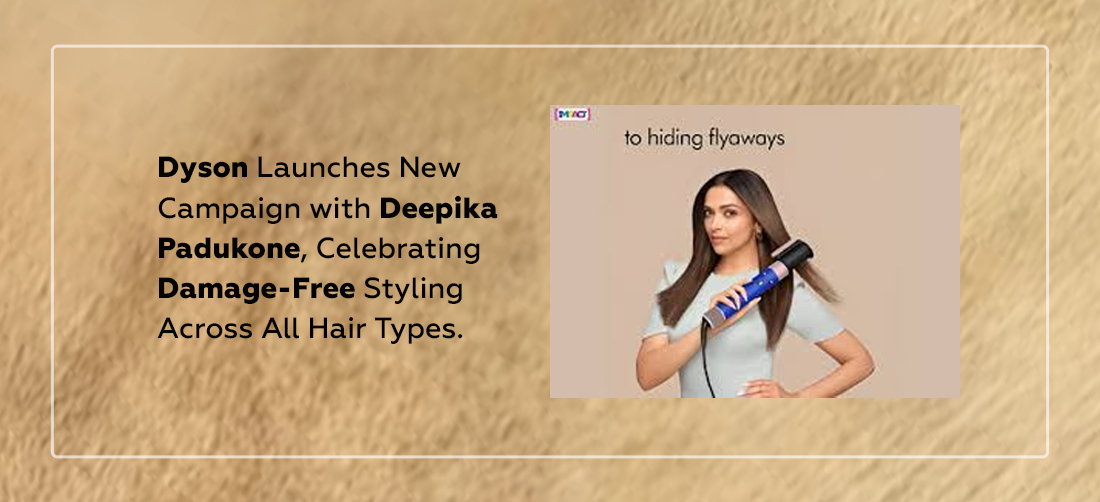
Dyson Launches New Campaign with Deepika Padukone, Celebrating Damage-Free Styling Across All Hair Types
Discover Dyson’s new campaign with Deepika Padukone, promoting heat-free styling for all hair types. Want a campaign like this? Contact Excellent Publicity today!
Best 2025 TV Advertisement Examples in India and What Made Them Successful
A snapshot of India’s most impactful TV advertisements in 2025, highlighting campaigns that stood out for creativity, emotional resonance, and cultural relevance. It explains the key strategies-storytelling, celebrity influence, and strong brand purpose-that made them successful.
How to Choose the Best Magazine for Product Advertisement
Choosing the best magazine for product advertising involves understanding your target audience, matching the magazine’s readership with your product niche, evaluating circulation and credibility, and considering ad formats, cost, and reach to ensure maximum impact.
How to Give an Advertisement in a Newspaper: A Complete Beginner’s Guide
Learn how to give an advertisement in a newspaper with this complete beginner’s guide covering ad types, costs, formats, and booking steps.
TVS Raider introduces India's first motorcycle advertisement film created with public funding.
TVS Raider Crowdsourced Ad Film: India’s First Public-Funded Motorcycle Campaign