

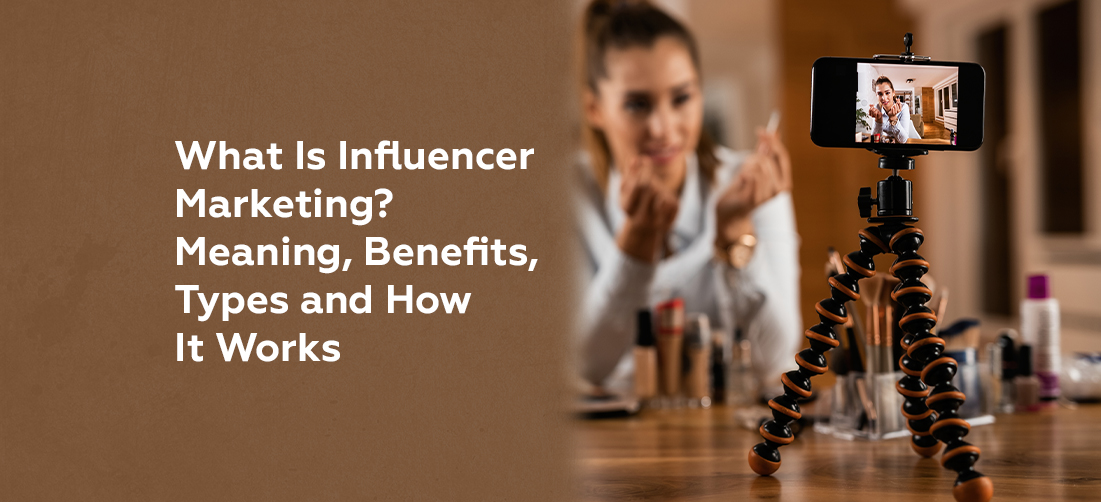

Influencer marketing has evolved from a one-off or trend to a key part of modern marketing plans. It started as more of a beauty and fashion thing, but now brands across industries are adapting to using influencers to spread their brand message in a more authentic and relatable way. While it has gained popularity, some brands are still on the first step, asking, "What is influencer marketing?" and how does it actually work?
In this blog, we're going to attempt to explain the whole purpose and practice of influencer marketing - from the meaning to its function, benefits, types of platforms, opportunities and challenges a brand should know if they're building an influencer marketing strategy for the first time.
What Is an Influencer?
An influencer is a person who has built a high subscriber or follower base on digital or social media channels such as Instagram, YouTube, blogs, or podcasts. This is the loyal audience base of that person's community. This audience regularly consumes the content and trusts their opinions, recommendations, and experiences.
With this base, the influencer can shape their buying decisions, brand perception, and trends through their content.
While celebrities are often influencers, they were previously so through being brand ambassadors and faces of the brand; nowadays, influencers are not limited to celebrities. With the rise of digital access and tools, any content creator publishing content focused on a particular niche, like fitness, travel, food, or fashion, can become an influencer. These creators would have greater credibility and engagement with their followers through their expertise than through just being a brand face.
What Is Influencer Marketing and How Does It Work?
To understand what influencer marketing is, let us break it down in simple terms: Influencer marketing is a plan for brands to collaborate with digital or phygital influencers to create content that promotes their products or services and delivers their brand messages to the influencer's audience and their followers. Instead of brands selling directly to consumers, influencers push their message.
How does influencer marketing work step by step?
It's a complicated process involving prepping, sourcing, briefing and scheduling. Some key steps that need to be followed are:
- A brand defines a brief and a budget, and identifies influencers whose audience matches its target market.
- The brand and influencer agree on the number of deliverables, required rights, content format, messaging, and fees.
- Either the brand or the influencer produces content per the agreement, and the influencer publishes it on their platform according to a predefined schedule.
- The audience engages with the content through likes, comments, shares, or purchases.
- The brand tracks performance and campaign results.
In India, influencer marketing works particularly well because audiences prefer peer recommendations over traditional advertising.
Types of Influencers and How to Choose the Right One?
Choosing the right influencer depends on factors such as campaign goals, budget, target market, and audience size. Influencers are typically categorised by follower count, and accordingly, there are four types.
Nano Influencers
Follower range: 1,000 to 10,000
These are influencers who are either starting out or established in a very particular niche, such as film direction or book writing. They may have very high engagement rates and close relationships with their audience. Because their base is small, it's easy for them to maintain those relationships. Nano influencers can work well for local campaigns, niche product/service categories, and early-stage brands.
- Micro Influencers
Follower tange: 10,000 to 100,000
They pose a good balance between reach & engagement and budget. Many Indian brands prefer micro influencers because they offer both trust and affordability. These influencers are also on the cusp of growing bigger, so they tend to work harder on the content they produce, ultimately delivering higher-quality output for a brand.
Macro Influencers
Follower range: 100,000 to 1 million
These influencers are already established and have cultivated communities that listen to and follow their advice. They are suitable for large-scale awareness campaigns and brand launches, as your message would reach the largest possible audience. Macro influencers offer broader visibility but may have lower engagement than smaller creators, as while they have a large follower base, not all of their followers engage with the content with the same intensity, limiting their engagement stats.
Mega Influencers
Follower range: 1 million followers +
This category often includes celebrities, who provide massive reach and brand visibility but require higher budgets due to their fame and careful brand alignment, as they can often be regarded as the face of the brand.
AI and Virtual Influencers
AI or virtual influencers are digitally created avatars that only exist online and are managed by creative teams.
They offer complete brand control, scheduling flexibility, and consistent output, as the machine-generated characters need a break. In India, brands are starting to test AI influencers for tech, fashion, and youth-focused campaigns.
How Much Are Influencers Paid?
This is quite a complicated question and doesn't have a very straightforward answer. Influencer fees depend on several factors and are usually negotiated. Listing down some of the key factors that impact the compensation:
- Audience relevancy
- Platform focus
- Follower count
- Engagement rate
- Content format (reel, story, grid post, carousel, etc.)
- No. of content produced
- Required rights & their duration
- Campaign & collaboration duration
- The brand (influencer could charge differently based on how big or reputable a brand is)
- Exclusivity
- Turn-around time required
Average influencer charges in India
The average cost benchmark varies by category and other factors listed above. Still, to create a plan, the following figures could be considered to come to a budget allocation:
- Nano influencers: ₹5,000 to ₹15,000 per post
- Micro influencers: ₹15,000 to ₹50,000 per post
- Macro influencers: ₹50,000 to ₹3,00,000 per post
- Mega influencers: ₹5,00,000 and above
Videos usually cost more as they require production and editing. YouTube videos (long-form content), long-term partnerships, usage & promotional rights and exclusivity typically cost more than single Instagram posts.
Benefits of Influencer Marketing for Brands
Understanding the benefits of influencer marketing helps brands decide where and how much to invest in the influencer marketing plan.
- Builds trust and credibility: As the influencer's audience is loyal to their recommendations, they trust the influencer's message more than brand advertisements.
- Improves audience targeting: Brands can reach specific demographics, interests, and regions by choosing influencers based in a particular location who create content in a specific niche and appeal to a specific audience.
- Cost-effective compared to traditional media: Influencer marketing often delivers better ROI than TV or print. Brands may also be able to track it using a UTM or affiliate URL, unlike in traditional marketing channels, where only the reach metric is available.
- Drives higher engagement: Influencer content receives more interaction than branded posts, as followers tend to consume it with greater intent.
- Supports multiple funnel stages: Influencer marketing works for the whole funnel. At all three levels - awareness, consideration, and conversions - influencers can be utilised, and their content could be produced in a way that impacts the funnel.
Is Influencer Marketing Effective in 2026?
Yes, absolutely! Influencer marketing not only continues to be effective in 2026 but will also thrive as a core marketing strategy, especially in India.
Ad fatigue has increased, and attention spans have declined. In this scenario, influencer-led content feels more natural. Brands can create short-form and regional content with them, and can target very niche communities with influencers, strengthening impact.
Brands have to make data-driven influencer selections, follow compliance protocols, and foster long-term partnerships to make influencer marketing more structured and measurable for them, thereby making it more effective in the long run.
Influencer Marketing Platforms: How Brands Find Influencers
An influencer marketing platform is a digital tool that helps brands discover, evaluate, and manage influencers. There are many of these tools available on the market, such as Quroz, Hype Auditor, Modash, and Hashframe. These are free-to-play tools that let you use some features by just signing up, but require you to purchase a license to unlock the full-stack services for long-term, extensive use.
Key features of influencer marketing platforms
- Influencer discovery and filtering
- Audience demographics and analytics
- Campaign management dashboards
- Performance tracking and reporting
Usually, for a standalone brand, these tools are a significant investment unless they run extensive, continuous influencer marketing campaigns. Brands typically rely on their influencer marketing agency to have access to such tools and help with a curated plan.
Role of an Influencer Marketing Agency
An influencer marketing agency manages influencer campaigns for its clients end-to-end. The role of an agency includes:
- Strategy and campaign planning
- Influencer identification and vetting
- Contract negotiation and compliance
- Content coordination and approvals
- Campaign tracking and reporting
Brands often choose to work with reputable agencies to accelerate the influencer vetting & outreach process, avoid fraud, negotiate better terms through long-standing relationships, streamline execution, and ensure ROI.
At Excellent Publicity, influencer marketing is integrated with digital, outdoor, and media planning to create 360*, integrated campaigns.
Influencer Marketing Services Explained
Influencer marketing services provided by agencies vary depending on brand needs. Usually, these services are customisable. Most common services include:
- Influencer discovery and shortlisting
- Campaign strategy and content planning
- Compensation & Contract management
- Influencer onboarding and coordination
- Performance tracking & reporting
Some agencies also provide influencer content repurposing for ads and websites.
What Are the Opportunities and Challenges of Influencer Marketing?
Opportunities
- Rapid brand awareness growth
- Trust building
- Access to specific demographics & niche communities
- Regional and vernacular reach
- Authentic brand storytelling
Challenges
- Fake followers and inflated metrics
- Content quality control
- Compliance with advertising guidelines
- Measuring direct ROI
These challenges can be managed through proper vetting, transparency, and agency support.
How to Measure Influencer Marketing ROI?
Measuring ROI is critical to the success of influencer marketing. It's a key awareness channel, and measurement is one of the main factors that take precedence over TV or print ads. The channels that these contents are hosted on can provide specific metrics:
Common influencer marketing metrics
- Reach and impressions
- Engagement rate
- Click-through rate
- Conversions and sales (measured through UTM or Affiliate link)
- Cost per engagement (calculated)
Advanced campaigns also track brand lift and sentiment analysis.
Key Takeaways
- Influencer marketing is a trust-driven digital strategy and is able to deliver the brand message with more authenticity.
- Choosing the right influencer matters more than follower count. What is their content category? Where the influencer is based?, what language they make content in?, how much engagement rate they have, etc., also come into making this decision.
- Influencer marketing platforms and agencies simplify influencer discovery and execution of the campaign.
- Influencer marketing remains effective in 2026 when done strategically and measured correctly
Influencer marketing is a marketing tactic where brands partner with influencers with a certain audience base on social channels to promote products or services to their audience.
Influencer marketing means using trusted digital creators with high reach and engagement to shape their audience's purchase decisions in your favour.
Brands filter out who they want to work with, collaborate with influencers who create content for them and publish it on their social handles to share it with their followers.
Yes, it can be a great tool to get discovered by more users, especially when working with nano and micro influencers.
Trust building, targeted audience reach, higher engagement, cost efficiency and impact at all funnel stages.
Charges range from a few thousand rupees to several lakhs, depending on various factors like reach, reputation, engagement, platform, etc.
It is a tool that helps brands discover and manage influencers.
An agency plans, executes, and tracks influencer campaigns.
Usually they include influencer discovery, campaign management, and reporting. These services can be customised as per the client's needs.
Yes, it's a legal practice that's done by well-known brands. Influencers have to follow ASCI disclosure guidelines and transparency rules.
Related Posts

How Effective Is Influencer Marketing?
This outcome on its own validates the success that marketers have had with influencer marketing initiatives. However, it’s crucial to analyze the several elements that come into effect when assessing influencer marketing performance to better understand why marketers find influencer marketing services beneficial.
Choosing the Right Influencer Marketing Agency: Tips, Tricks, and Questions to Ask
Influencer marketing has become an increasingly popular and effective marketing strategy for businesses to reach their target market. It's modern-day content-driven marketing where, by partnering with influencers, businesses can tap into their followers and gain access to a highly engaged and receptive audience. However, finding the right influencer marketing agency can be very difficult. In this blog, we will discuss the tips, tricks, and questions you should ask while choosing the right marketing agency for your business.
The Power of Influencer Marketing: How It Can Transform Your Business
In the digital era of the present, businesses are no longer limited to traditional marketing methods. Traditional marketing boundaries are blurring, and the age of Influencer Marketing has come to the forefront

Influencer Marketing in India: A Deep Dive into Strategy, Platforms, and Trends
Influencer marketing in India has evolved into a powerful digital strategy for brands. This article explores its growing impact, popular platforms like Instagram and YouTube, key strategies used by marketers, and the latest trends shaping the influencer economy in 2026.
Harnessing the Impact of Influencer Marketing: A Strategic Guide for 2026
Maximize your brand's impact with influencer marketing. Partner with influencers to authentically engage and expand your audience at Excellent Publicity.